
The SEOST On-Page SEO Playbook
On-Page SEO.
The practitioner's guide to optimizing a single page — titles, headings, content, internal links and images. The signals you fully control, and how to get every one of them right.
On-page SEO is the part of ranking you control completely — no algorithm luck, no waiting on links, just the page and how well it answers the query.
Most on-page advice is a checklist of knobs to turn without any sense of which ones matter. This guide is different. It's the same material we teach on stage at SEO Spring Training — the on-page moves that actually move rankings, in the order worth doing them.
Start with intent and the title, build a clean heading structure, add the internal links that pass relevance, then tidy the images. When you want to go deeper, come learn it in the room with the people doing the work.
The Moving Parts
Six parts of on-page SEO.
A page isn't optimized by one tweak — it's a stack of signals. Each facet below is its own deep-dive, with guides underneath.
Title Tags & Meta
The clickable headline search shows and the description under it — your first, highest-leverage on-page signal.
Explore →Headings & Structure
One H1, logical H2s and H3s — the outline that tells search and readers how a page is organized.
Explore →Content & Intent
Matching the page to what the searcher actually wants — the single biggest on-page factor there is.
Explore →Internal Linking
The links between your own pages that pass relevance and authority and build topical clusters.
Explore →Images & Alt Text
Descriptive filenames, compressed files and real alt text — accessibility and image-search wins in one pass.
Explore →The Full SEO Stack
On-page is one discipline. See how it connects to technical, links and local in the complete SEO picture.
Explore →The Foundation
How on-page SEO actually works.
Every on-page decision answers one of three questions. Get all three right and the page earns its ranking.
What is it about?
The title, H1 and opening lines have to name the topic unmistakably — for the searcher skimming results and for the engine matching the query.
Does it answer the query?
The body has to satisfy the intent behind the search, fully and faster than the competition. Depth without relevance is just length.
How does it connect?
Internal links and clean structure place the page inside a topic, passing relevance and showing search the page belongs to a bigger whole.
Start Here
On-page SEO guides to work through.
Practical, start-to-finish walkthroughs — the on-page moves we teach, written down.
How to write title tags & meta descriptions
The formulas for titles that rank and descriptions that earn the click — with before-and-after examples.
An internal linking strategy that ranks
How to pass relevance and authority between your own pages and build clusters search understands.
Technical vs on-page SEO
Where the foundation ends and on-page optimization begins — and how to prioritize when you can't do both.
Keyword research for beginners
Find the terms your buyers actually search — the targets your on-page work should aim at.
A long-tail keyword strategy
The low-competition terms a new page can actually win — and how to build content around them.
The complete SEO guide
Step back to the full picture — how on-page fits with technical, links, local and AI search.
On-page SEO isn't about stuffing keywords. It's about naming the topic clearly, answering the intent fully, and connecting the page to everything around it.
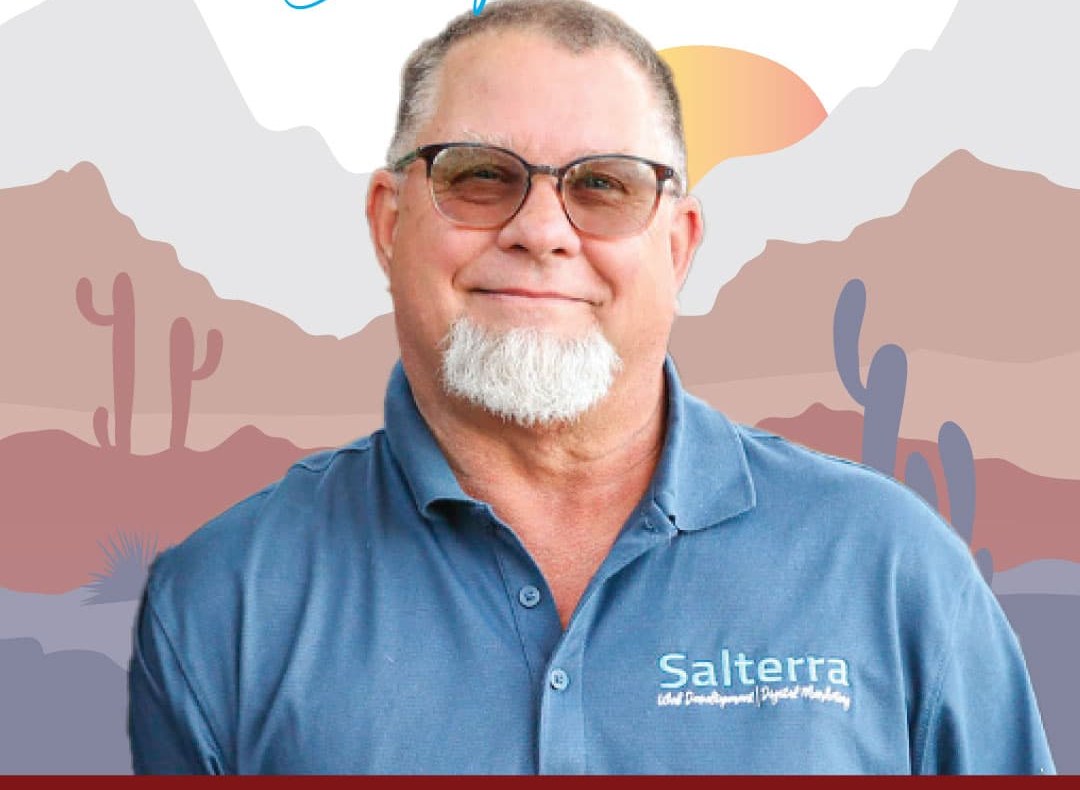
Terry SamuelsFounder & Host, SEO Spring Training
Learn on-page SEO from the people doing it.
Reading gets you started. The fastest way to level up is four days in the room at SEO Spring Training — real pages, real rewrites, on-page moves you can run Monday.
Questions
On-page SEO, answered.
What is on-page SEO?
On-page SEO is everything you control on the page itself to help it rank — the title tag and meta description, the heading structure, the depth and relevance of the content, internal links, image and alt optimization, and the URL. It's the work that tells search engines and readers exactly what a page is about.
What's the difference between on-page and technical SEO?
Technical SEO makes sure a page can be crawled, rendered and indexed. On-page SEO makes an indexable page relevant and compelling for a specific query. Technical clears the path; on-page wins the race once the page is in the running.
What are the most important on-page ranking factors?
Content that matches search intent, a clear title tag targeting the primary keyword, a logical H1-H2-H3 structure, strong internal linking, and descriptive image alt text. Matching intent moves the needle most — the rest amplify a page that already answers the query.
How long should on-page content be?
Long enough to fully answer the query and no longer. Model your length on the pages already ranking for the term rather than a fixed word count. A short answer to a simple question beats padded filler every time.
Does on-page SEO still matter with AI search?
Yes, and arguably more. AI answer engines lift self-contained, well-structured passages from pages they trust. Clear headings, answer-first paragraphs and clean on-page signals make a page easy to both rank and cite.
About the author
Terry Samuels
Founder and host of SEO Spring Training and the SEOST Digital Marketing Conference — a Salterra event in Chandler, Arizona. Terry has spent years building and ranking real businesses, and brings the practitioners who do the same to one stage each spring.
Last updated October 2026 · Reviewed by the SEOST team