
The SEOST SEO Playbook
Search Engine Optimization.
The practitioner's guide to ranking in a search world that now includes AI. No theory — the plays that actually move traffic and revenue.
SEO is still the highest-leverage channel in marketing — one page can send you qualified buyers for years.
But most "SEO advice" is recycled theory from people who don't run campaigns. This guide is different. It's the same material we teach on stage at SEO Spring Training — modeled on what's actually ranking right now, broken into disciplines you can learn one at a time.
Start with the pillar that fits your situation, work through the step-by-step guides, and when you want to go deeper, come learn it in the room with the people doing the work.
The Disciplines
Six pillars of modern SEO.
Search isn't one skill — it's a stack. Each pillar below is its own deep-dive, with guides underneath.
On-Page SEO
Titles, headings, content depth and the on-page signals that tell search what each page is for.
Explore →Keyword Research
Find the terms your buyers actually search — and the ones you can realistically win.
Explore →Ecommerce SEO
Category and product pages, faceted navigation and the structure that ranks an online store.
Explore →International SEO
Hreflang, country targeting and the architecture for ranking across languages and regions.
Explore →Technical SEO Audit
Everything to check — crawl, index, speed and structure — before you spend a dollar on content.
Explore →SEO for Small Business
The highest-ROI moves when you don't have a big team or budget — in priority order.
Explore →The Foundation
How search actually works.
Every ranking decision comes down to three questions. Get these right and the tactics take care of themselves.
Can it be found?
Search engines have to crawl and index your pages before anything else matters. Technical SEO clears the path — clean structure, fast pages, no dead ends.
Is it relevant?
Content and on-page signals prove a page answers the query — and, increasingly, that your site owns the whole topic, not just one keyword.
Can it be trusted?
Links, reviews, entities and real-world authority tell Google and AI models whose answer to surface. Trust is what breaks ties on competitive terms.
Start Here
SEO guides to work through.
Practical, start-to-finish walkthroughs — the moves we teach, written down.
How to improve your local SEO
The map-pack playbook: profile, reviews, citations and the local signals that actually move rankings.
The technical SEO audit checklist
Everything to check — crawl, index, speed, structure — before you spend a dollar on content.
How to build backlinks in 2026
White-hat link building that still works for a brand-new site — and what to stop wasting money on.
Keyword research for beginners
Find the terms your buyers actually search — and the ones you can realistically win.
SEO for small business
The highest-ROI moves when you don't have a big team or budget — in priority order.
Anatomy of a local page that ranks
Section by section, what a service-area landing page needs to win its city.
The teams that win at SEO aren't chasing hacks. They get the fundamentals right, stay consistent, and learn from people actually doing the work.
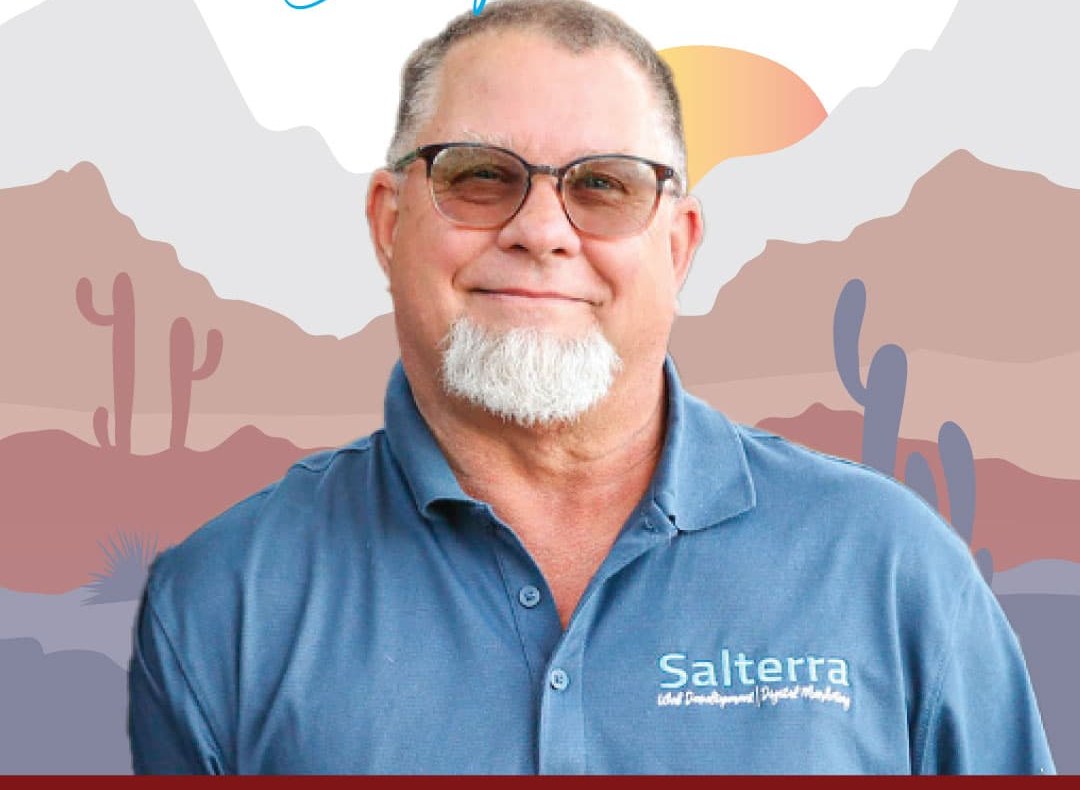
Terry SamuelsFounder & Host, SEO Spring Training
Learn SEO from the people doing it.
Reading gets you started. The fastest way to level up is four days in the room at SEO Spring Training — real accounts, real numbers, plays you can run Monday.
Questions
SEO, answered.
What is SEO?
Search engine optimization is the practice of earning visibility in search results — on Google and, increasingly, in AI answers — so the right people find your business when they're looking for what you do.
How long does SEO take to work?
Most sites see meaningful movement in three to six months, with compounding gains after that. Technical fixes and local work can move faster; competitive national terms take longer.
Does SEO still matter with AI search?
More than ever. AI answers are built on the same signals that rank pages — relevance, authority and structure now feed both Google and tools like ChatGPT. That overlap is exactly what we teach.
Can I do SEO myself?
Yes — the core moves are learnable, and the guides above walk through them step by step. SEO Spring Training exists to compress that learning curve with practitioners who do it every day.
What are the main parts of SEO?
Technical, on-page, local, link building and digital PR, semantic SEO and entities, content, and increasingly AI search (GEO). Each is a discipline — and a pillar in this guide.
About the author
Terry Samuels
Founder and host of SEO Spring Training and the SEOST Digital Marketing Conference — a Salterra event in Chandler, Arizona. Terry has spent years building and ranking real businesses, and brings the practitioners who do the same to one stage each spring.
Last updated October 2026 · Reviewed by the SEOST team